
Review below and Press Kit

A new two-minute trailer featuring full scenes from Intersection of Lives
Just released: a new two-minute trailer featuring full scenes from Intersection of Lives
Cinelounge Hollywood, September 21 – 27, 2026
Short clips:
Workers fight for minimum wages (29 sec.):
INTERSECTION OF LIVES
Intersection of Lives is a 2026 animated short urban mosaic drama written, directed, and created by filmmaker Daniel Strehlau using artificial intelligence (AI) tools. Set in Brooklyn, New York City—a cultural melting pot reflecting the diversity and complexity of the wider world—the film explores fractured America and the loss of human connection.
The approximately ten-minute film combines original digital drawings, photographic references, manually modified imagery, and generative AI tools to produce photorealistic animated characters and environments. It represents an early example of an American narrative animated film created using generative AI tools, with human-directed character performances, visual storytelling, and editorial decisions.
Plot
Set against the social and economic tensions of contemporary Brooklyn, Intersection of Lives follows three interconnected lives whose personal struggles reflect broader divisions within American society. The Tomkins family fights poverty and systemic injustice; David searches for meaning in an impossible love; and wealthy broker Rob Tuwim struggles with the death of a loved one. Blending realism with a steady cinematic approach, the film explores social and racial injustice, grief, isolation and love, historical reminiscences and the loss of human connection.
Background and Development
The film is based on Strehlau’s feature screenplay, originally written in 1997 under the working title Three Stories and later renamed Brooklyn. The screenplay was registered with the U.S. Copyright Office on May 20, 2014 (TXu001925859).
The screenplay’s writing and dramatic conception preceded the use of generative AI by many years. Strehlau is its author and copyright owner.
Animation Technique and Human Creative Authorship
Production and Visual Development
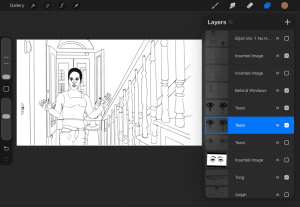
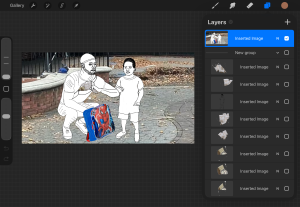
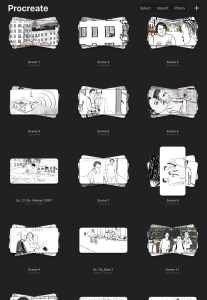
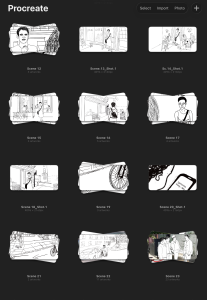
From March to October 2025, Strehlau created original digital drawings using the software Procreate, defining the characters, environments, composition, and dramaturgical framework. These drawings—along with photographs of New York City locations taken by the artist and manually retouched graphics—served as the visual foundation for the animation.
Between June and August 2026, Strehlau replaced all shots from the earlier version of the material, utilizing new AI-based tools. These tools provided greater control over the animation, character movement, and emotional expression. The artist also extended the film—from approximately six to ten minutes—allowing for deeper character psychology and more nuanced acting choices.
Throughout the production, Strehlau worked intensively, typically 12–16 hours per day, 6.5–7 days per week. The extreme workload and prolonged sedentary hours took a significant physical toll, contributing to a weight gain of approximately 20 kg (45 pounds), as he remained fully committed to realizing his artistic vision and achieving the intended quality of the animated film.
No live-action character performances were photographed. Instead, movement and performances were developed from inanimate images through an iterative image-to-video animation process under his direction.
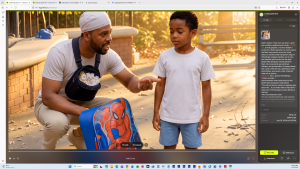
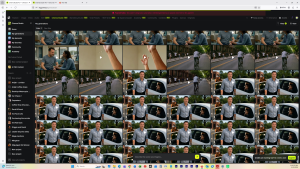
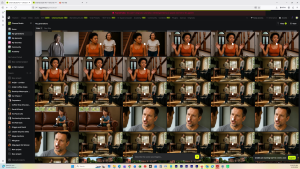
Strehlau repeatedly prepared and refined detailed sets of instructions (often around 2,500 characters in length), specifying the mood, actions, facial expressions, gaze direction, gestures, emotional dynamics, props, costumes, lighting, timing, camera movements, framing, and narrative continuity. The generated sequences were treated as raw material rather than finished animation. Strehlau evaluated the results, discarded unsuccessful versions, refined instructions and source materials, and at times returned to his original drawings to begin the work anew.
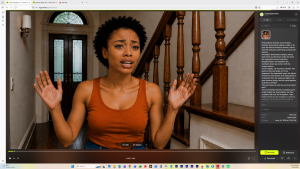
For example, the Anijah Tomkins scene required an emotional progression from pleading and frustration to heartbreak, exhaustion, and withdrawal, with specific gestures and a static camera. Another sequence involved a controlled camera movement (a zoom-out) away from a television screen, revealing the figure of an elderly woman of Sara Mayewsky. Crucial to this was maintaining her posture, the positioning of her hands, the perspective of her concentration camp tattoo, the lighting, and spatial consistency.
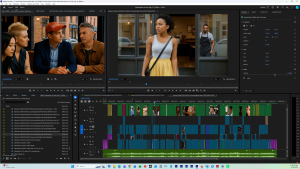
Strehlau manually modified the images and animation sequences, selected specific segments, adjusted their duration and the relationships between adjacent shots, and established the film’s final structure, rhythm, transitions, and editing using Adobe Premiere Pro.
An interesting thought from Luc Besson, whom I met at 83rd Venice Film Festival: for him, AI is like a tiger – you need a whip to keep it under control…
Drawing and photo realistic – motion creation by human
“Photorealistic dramatic scene inside a Brooklyn brownstone hallway. Anijah, a 35-year-old African-American woman, stands near the staircase confronting someone off-camera.
She begins emotionally charged, raising both hands as she tries to make her point. Her expression shows frustration, disappointment, and disbelief. She maintains direct eye contact with the unseen person. As she speaks, her emotions intensify. Her gestures become larger and more desperate. She repeatedly opens her hands toward the other person as if asking them to understand her. Her eyebrows tighten, her eyes become glossy, and her voice appears strained by emotion. “We are broke, but what do you know about that?” The conversation reaches a breaking point. Anijah shakes her head slightly. Her face crumples with hurt and frustration. Tears begin forming as she struggles to continue speaking. She briefly laughs through the pain in an emotionally overwhelmed, disbelieving way. Near the end, she realizes the conversation is going nowhere. Her energy collapses. Her shoulders drop. She looks away from the person for the first time. Hurt turns into resignation. In the final moments, Anijah turns her body away from the conversation and begins to walk off, emotionally exhausted and defeated. She wipes away tears, avoids eye contact, and leaves as if she can no longer continue the argument. Performance notes: pleading → frustration → heartbreak → emotional exhaustion → resignation → turning away and leaving. Camera: static camera, no push-in, no zoom, eye-level framing. Style: realistic feature-film drama, natural acting, authentic crying, subtle facial micro-expressions, cinematic interior lighting, ultra-photorealistic.”
Platforms, Software, and AI Tools
The production and post-production workflow incorporated:
- Procreate: Original drawings, visual development, and manual corrections to characters, anatomy, objects, environments, and compositions.
- Pinterest: Costume references from the plantation era and the segregated American South of the 1930s.
- ChatGPT, Higgsfield (primarily), and ImagineArt: Image development and image-to-video animation using Strehlau’s original artwork, photographic references, artist-modified images, and detailed written instructions.
- Adobe Premiere Pro: Editing, shot selection, timing, pacing, transitions, and final assembly.
- Voice generation: Higgsfield, ImagineArt, ElevenLabs, and Python-based software were used to generate character voices. Python served as a software environment rather than an AI model. Strehlau directed the dialogue and performances, recorded several of David’s lines, and used a clone of his own voice for others.
- Adobe After Effects and DaVinci Resolve: Compositing, rotoscoping, and color correction.
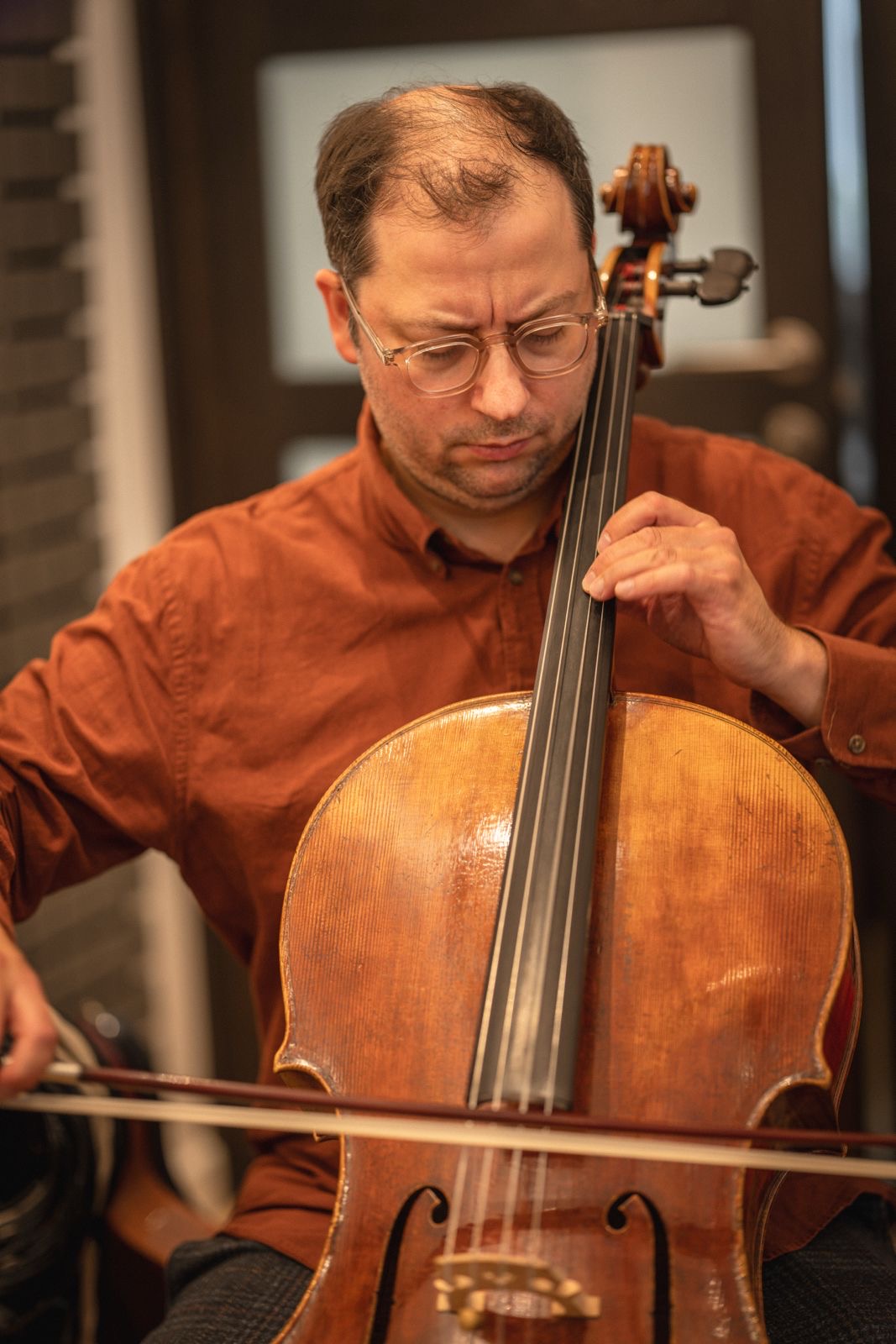
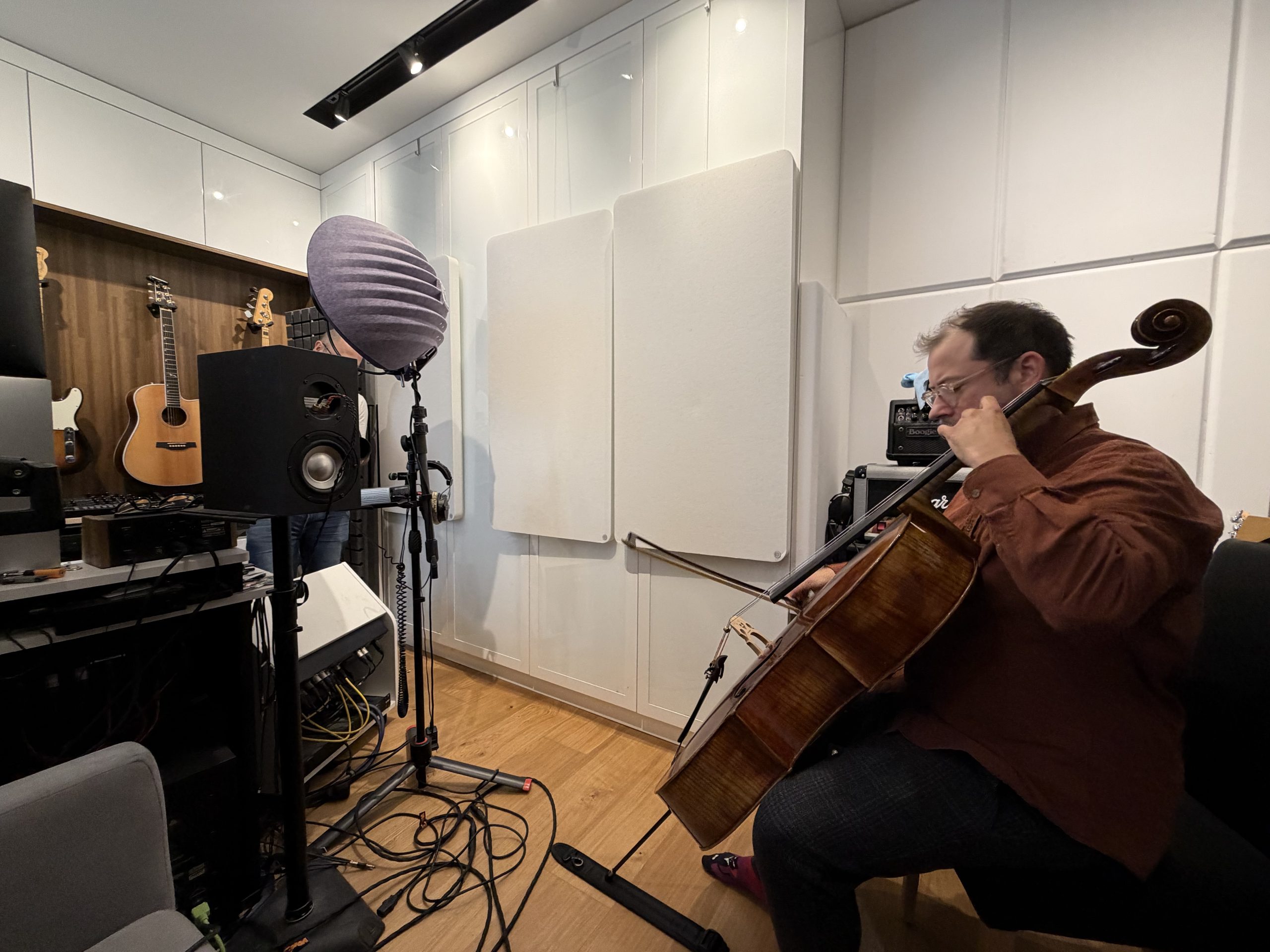
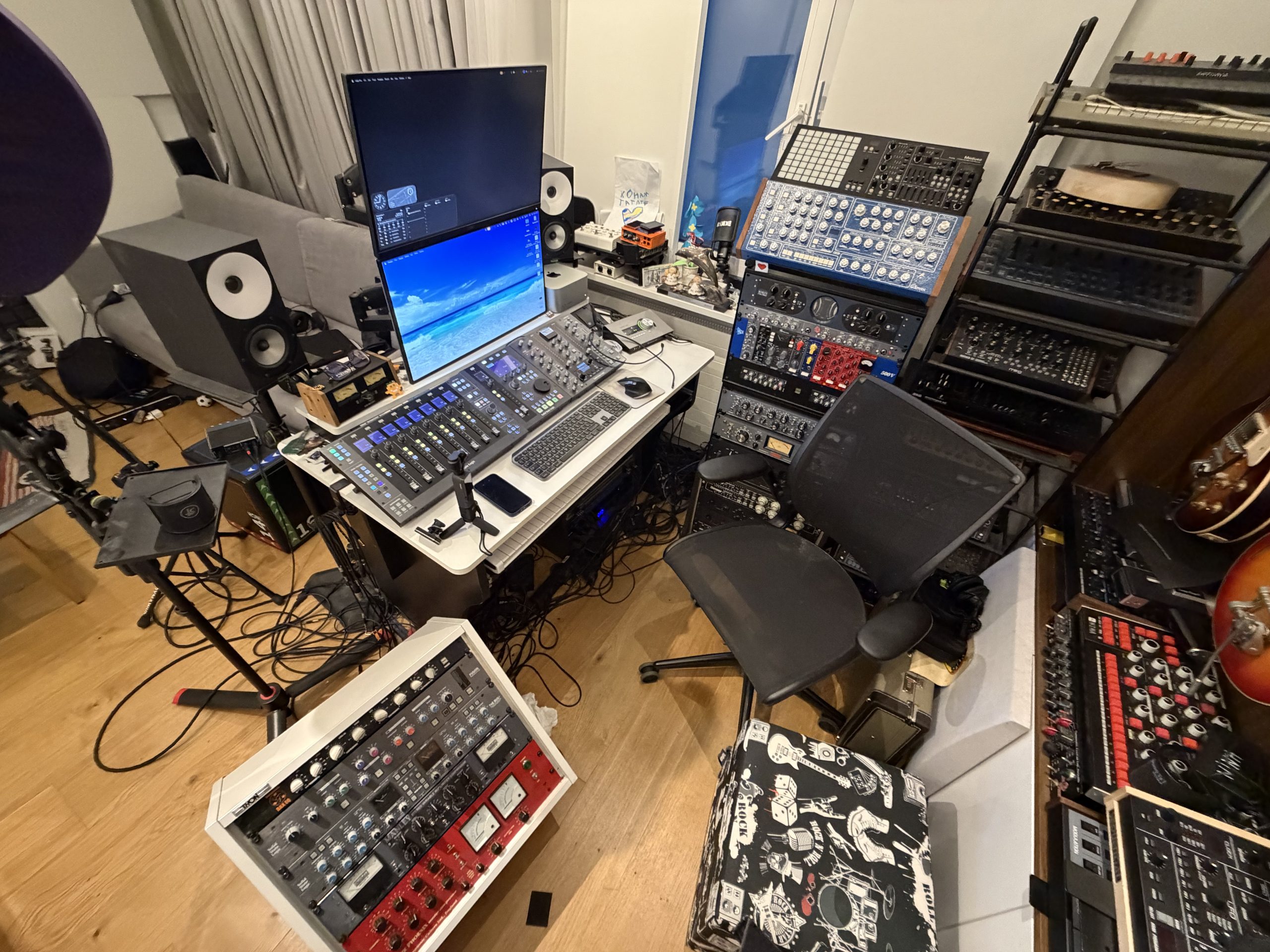
- Pro Tools and Logic: Cello recording, sound recording and editing, score composition, and music editing.
Collaborators and Post-Production
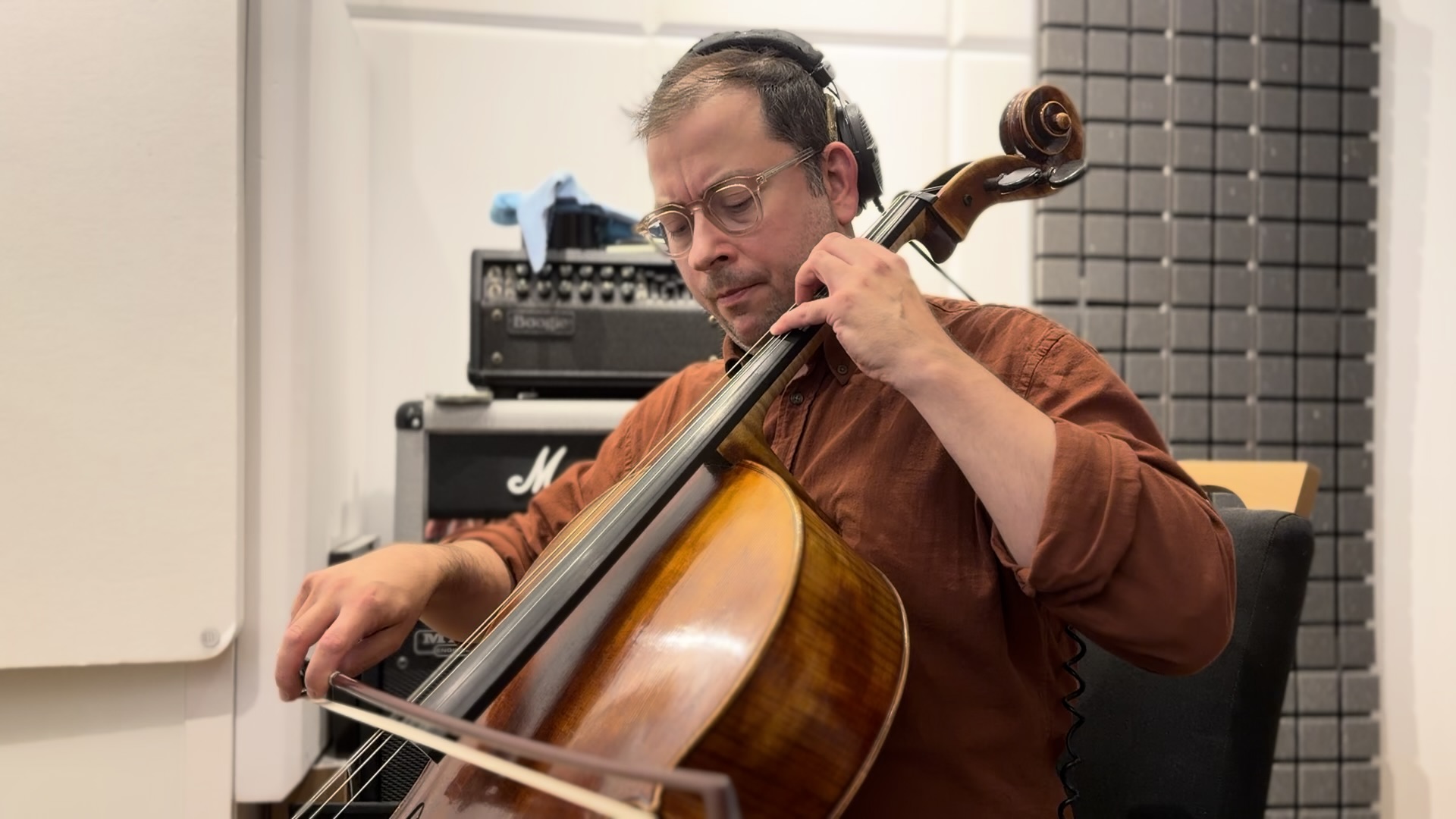
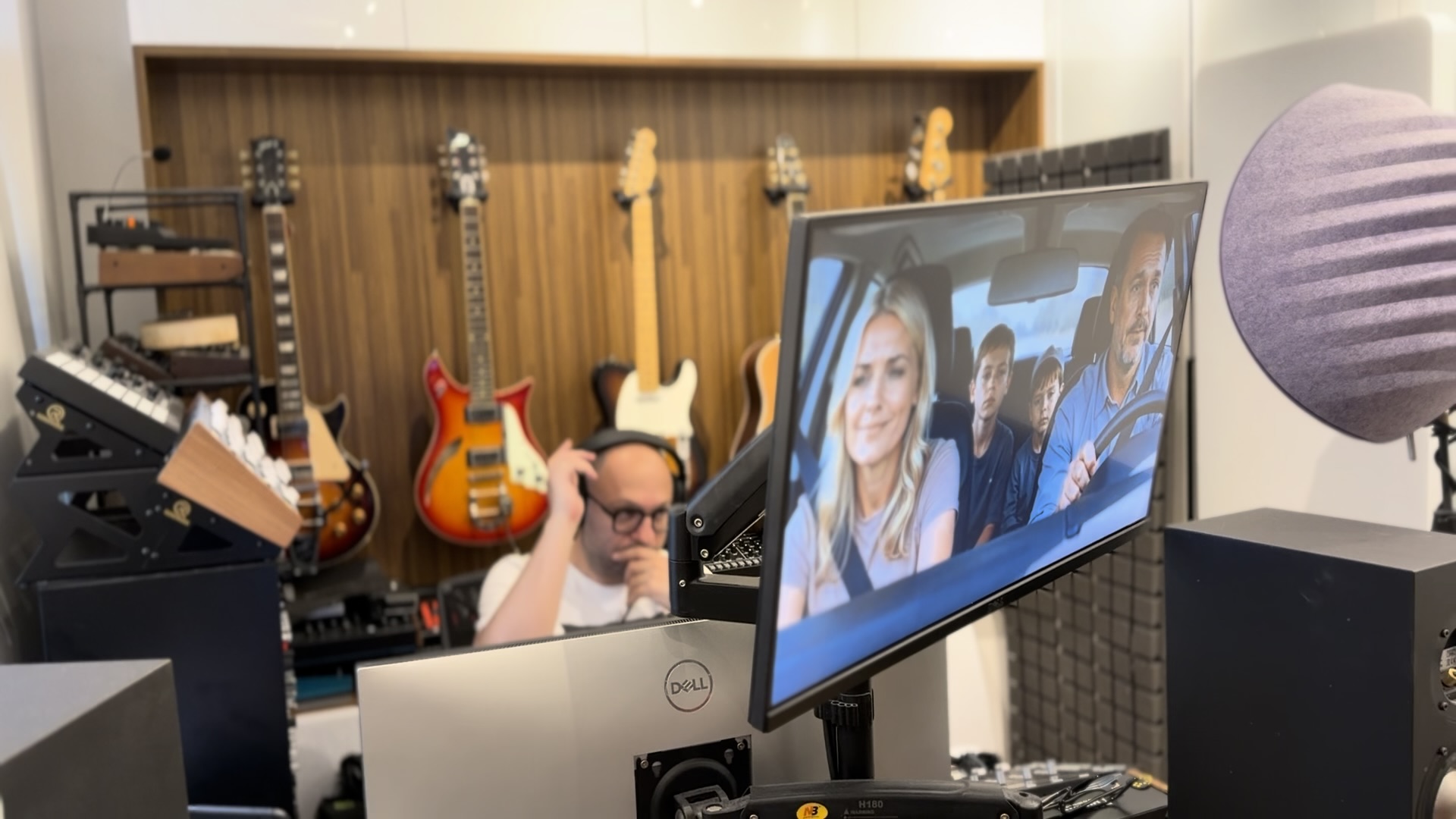
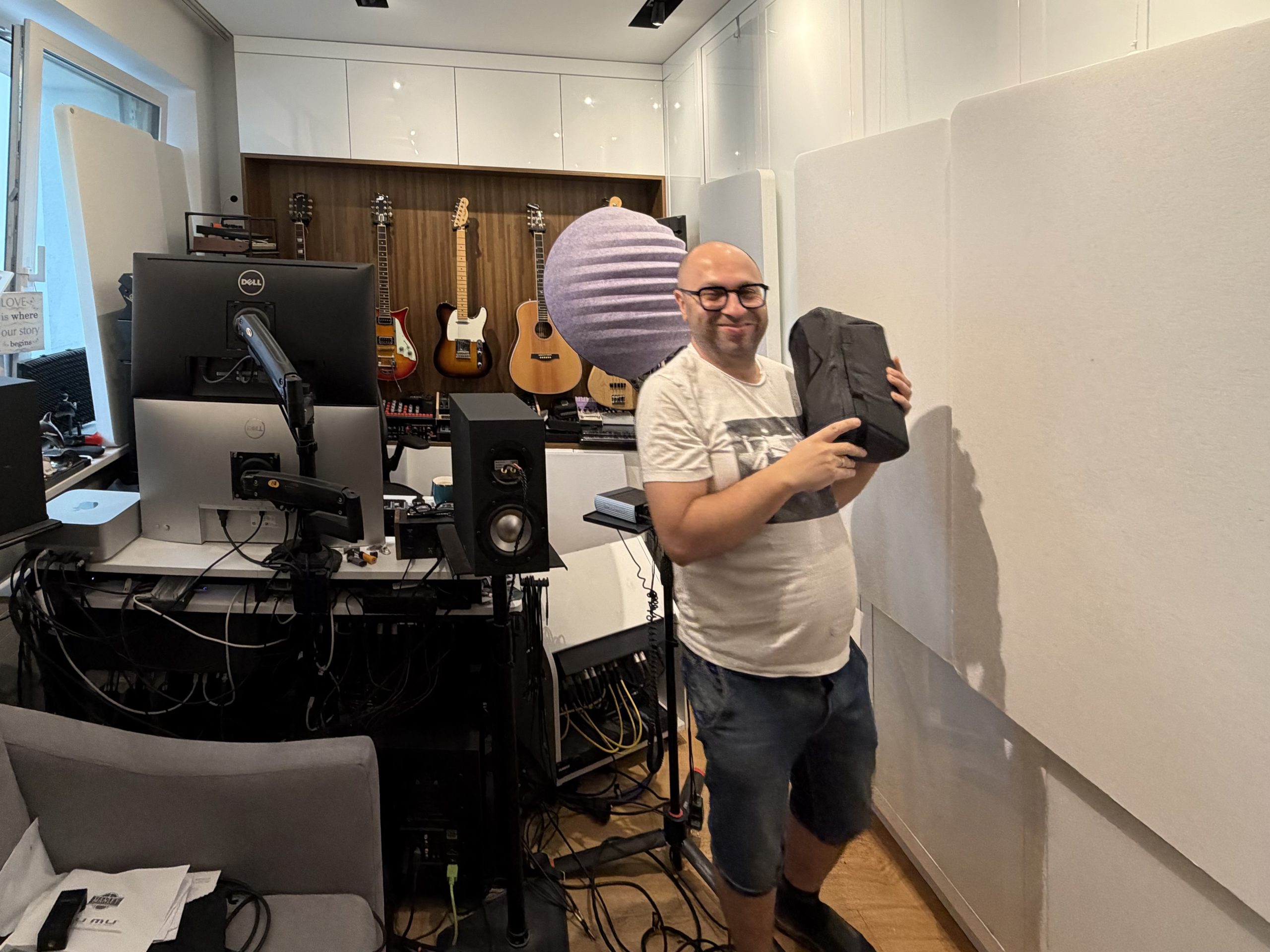
The film’s paid collaborators included Filip Kuncewicz, sound designer and composer of the original score, and Filip Syska, cello performer.
Rotoscoping artist Szymon Tomilo used Adobe After Effects to create masks ensuring clean transitions and movement between characters and visual elements displayed on television screens. Colorist Witold Basiewicz performed color correction in DaVinci Resolve to establish visual consistency and unify the film’s color palette.
As a dual citizen of the United States and Poland, Strehlau developed Intersection of Lives as a U.S.–Polish production. The final animation and post-production work, from June through September 2026, was conducted remotely via the internet while he was staying in Poland.
Original Drawings and Character Inspiration
Strehlau created the original drawings himself. The characters were either invented or inspired by the faces of people he knew or had seen—though their appearance underwent significant transformation during the drawing process.
For the character Anijah Tomkins, Strehlau—with his partner’s consent—incorporated elements of her physique and facial features. She is credited in the end titles under the name “Kochana” (Polish for “Beloved”). In creating the character of David, Strehlau used his own facial features.
The African-inspired abstract paintings and African-style mask displayed in the Tomkins family’s apartment were also created by Strehlau, drawing inspiration from African colors and motifs. The footage shown on the television screen is in the public domain.
The original screenplay, drawings, paintings (as modified by the artist), and photographs taken during location scouting in NYC served as the source material for the entire creative process. The author did not use the work of other artists as a starting point. Strehlau maintained full authorship and creative control over the animation process—from the selection and modification of the generated imagery to the final film edit.
Release and Academy Awards Consideration
Intersection of Lives received a theatrical qualifying run at Cinelounge Sunset Hollywood in Los Angeles from September 21 to 27, 2026, as part of its qualification process for consideration in the Animated Short Film category at the 99th Academy Awards. The film screened at Cinelounge Sunset in Los Angeles from September 21 to 27, 2026.
Following the qualifying run, the film was submitted for Academy consideration.
As part of the submission process, Strehlau provided documentation detailing the original artwork, generative AI tools, animation techniques, and human creative direction. The documentation addressed the distinction between animation with AI tools and photographed live-action performances in relation to the Academy’s definition of animation under Rule Eight.
Final Reflections on Human Creative Authorship and the Evolution of Animation
The artistic vision, detailed human-crafted instructions, creative decisions, and direction originated with Strehlau—not with machines or automated systems. While computers and software generated the imagery and movement in response to his instructions, they functioned merely as tools for the realization of his vision.
Strehlau compares this relationship between artistic intention and technology with earlier developments in animation, including Disney‘s 1932 Flowers and Trees, which combined three-strip Technicolor, personality animation, anthropomorphism, synchronized sound, and orchestral scoring, and Pixar‘s 1988 Tin Toy, whose 3D computer-generated imagery (CGI) received Academy recognition and helped establish CGI as a cinematic animation medium.
The process also recalled Strehlau’s first animation experiments at ages 11 and 14, when he drew successive movements in ink on hundreds of specially cut sheets of paper, repeatedly erasing, correcting, and redrawing them. He used transparent plastic film from library book covers to preserve unchanged objects and parts of characters’ bodies. His first completed non-camera animation, In the Bottle – the End of the Road, was drawn directly onto individual frames of transparent 16 mm film.
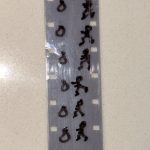
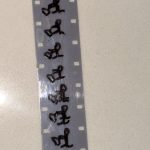
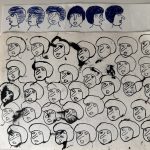
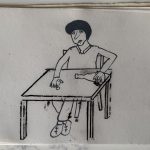
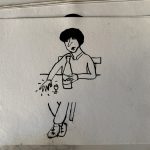
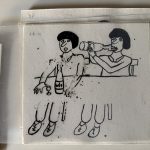
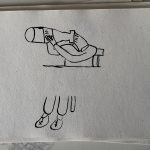
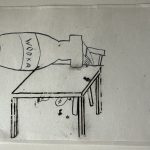
Historical animation inspired by an idea by Andrzej Mleczko.
Strehlau places Intersection of Lives within this continuing evolution of animation tools—from ink and direct drawing on film to digital styluses and detailed written instructions in generative workflows. These historical comparisons provide context for changing technologies rather than suggesting that the techniques are technically identical.
According to Strehlau, the film’s animation was created “by any human means”: he defined the characters’ actions and emotional expression, directed and revised the creation of motion, modified the imagery, selected the results, and edited the finished film. The collaborators contributed under his direction, while overall creative authorship and final editorial control remained his.
SCREENERS, PRESS & INTERVIEWS
AMPAS qualifying screenings take place in Cinelounge Hollywood, September 21 – 27, 2026
Selected clips from Intersection of Lives are available for broadcasting and editorial coverage.
Director Daniel Strehlau is available for interviews and questions about the film, its creative process, and his experience using emerging AI animation tools to bring a long-developed cinematic vision to the screen: films@danielstrehlau.net
Directed by Daniel Strehlau
Written by Daniel Strehlau
Produced by Daniel Strehlau
Cast (based on the characters created by Daniel Strehlau for “Brooklyn”) David – Daniel Strehlau (voice) John Tretcher Henry Lopez Jayden Tomkins Anijah Tomkins Elijah Tomkins Sweety Rob Tuwim Michelle Tuwim Mark Tuwim Martin Tuwim B Lova Mingshen Adam Rimpson Kristin Eve Lem Sara Mayewski | Crew Edited by Daniel Strehlau Original music by Filip Kuncewicz Audio Republica Sound design by Filip Kuncewicz Audio Republica Sound editing by Filip Kuncewicz Audio Republica Final sound by Filip Kuncewicz Audio Republica Prompts by Daniel Strehlau Drawings by Daniel Strehlau Color Correction – Witold Basiewicz Rotoscope Artist – Szymon Tomiło Cello Performance – Filip Syska
|
Duration: 9 min. 49 sec.
Video: Full HD, 2K, 4K, Proress 422 HQ, DCP 2K, DCP 4K
Audio: 5.1 and Stereo
Any format and any codec available.
Languages:
Audio – English
Subtitles – French, Italian, English CC
Daniel Strehlau d.b.a. The Windows Film Studio and Brooklyn the Movie LLC
Email: films@danielstrehlau.net
MMXXVI, USA – Poland

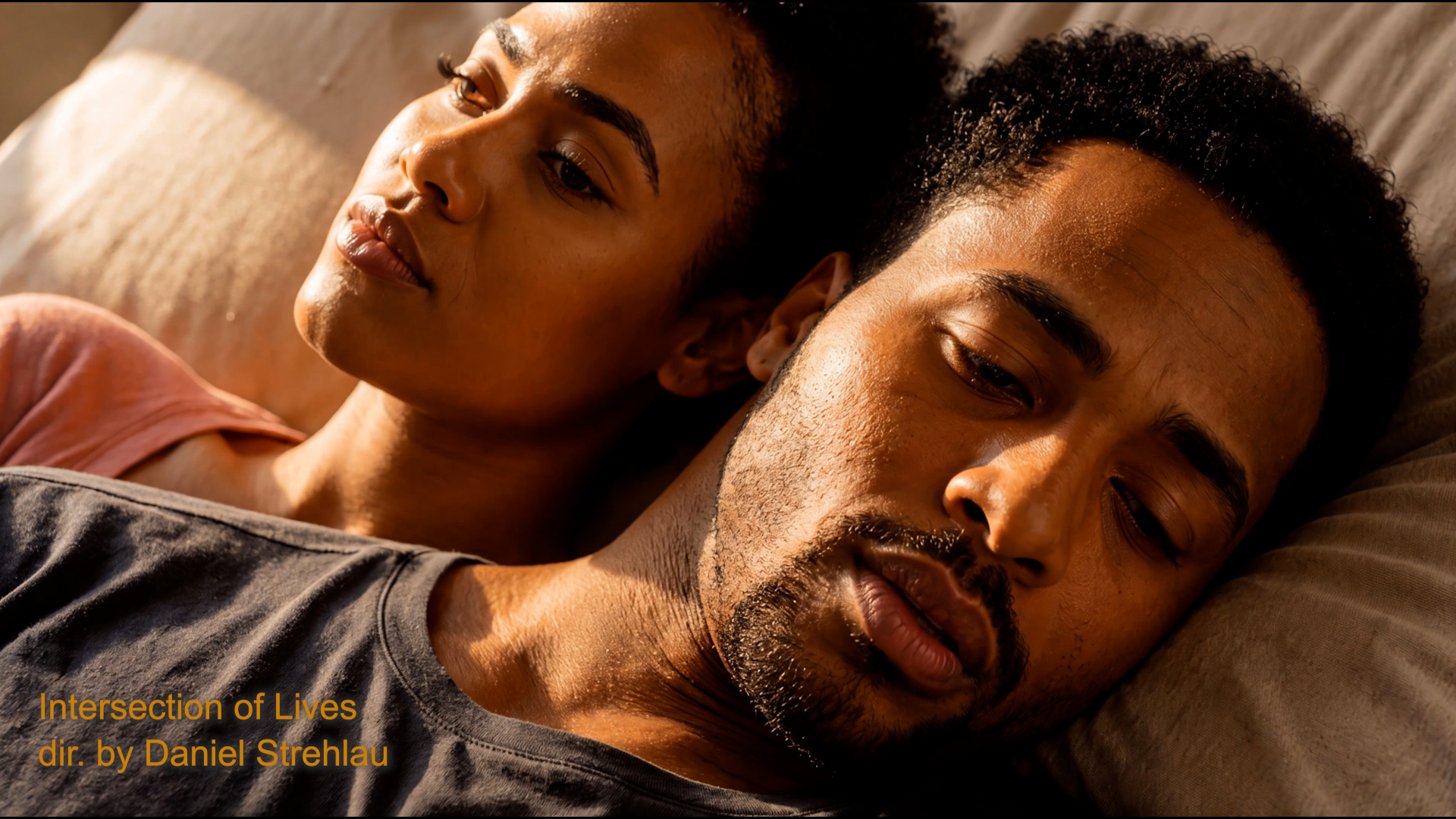

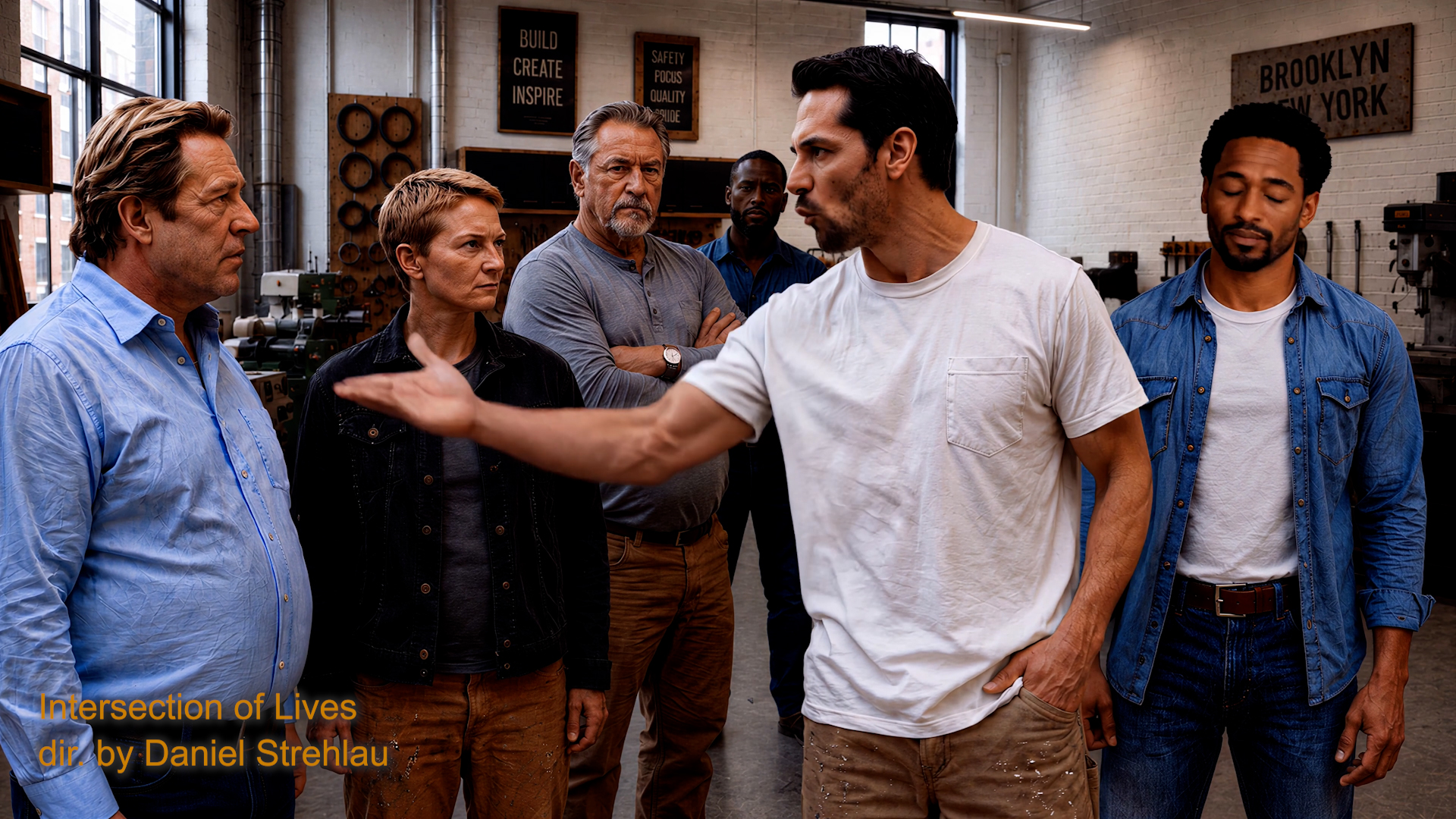

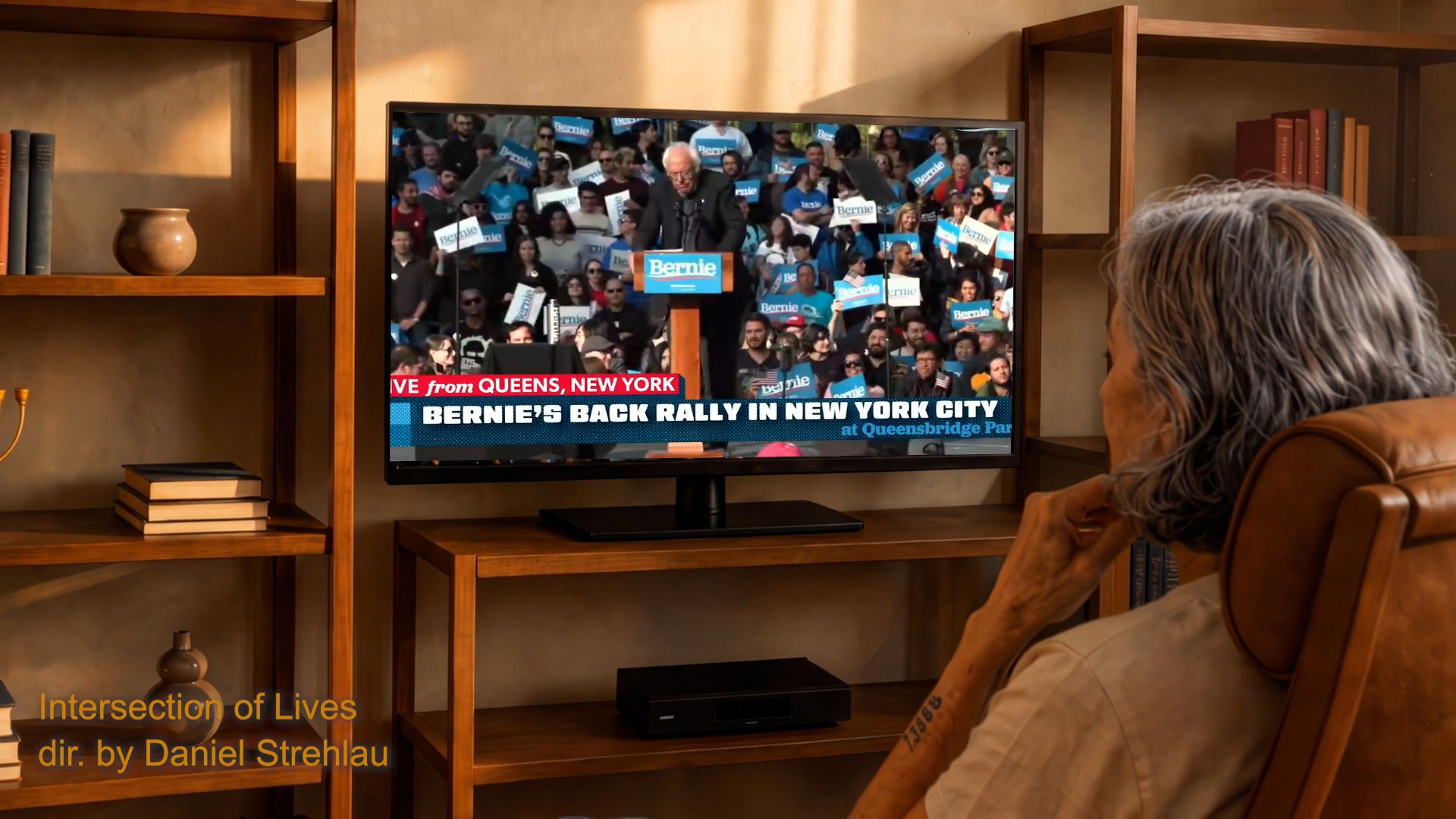

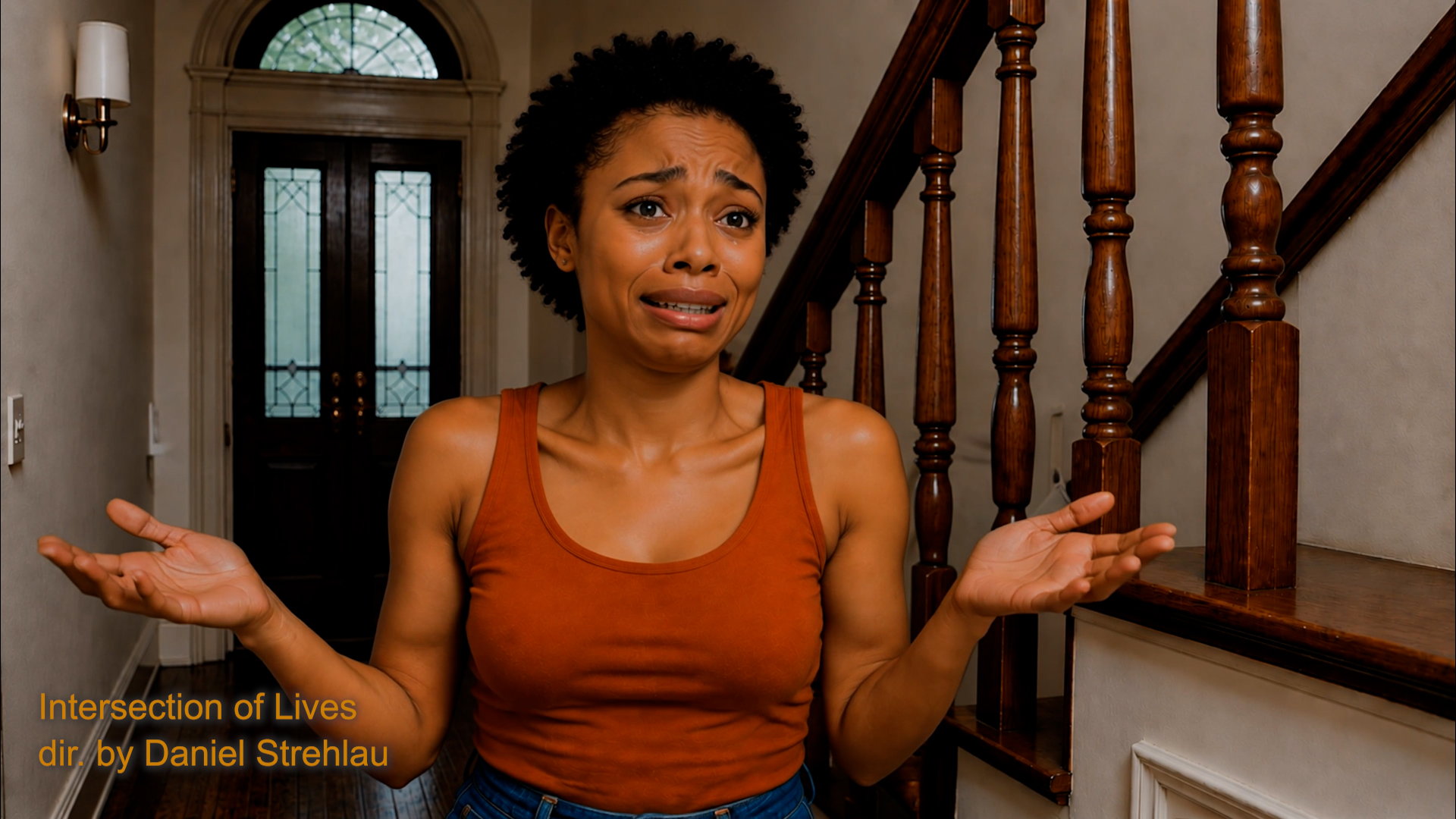

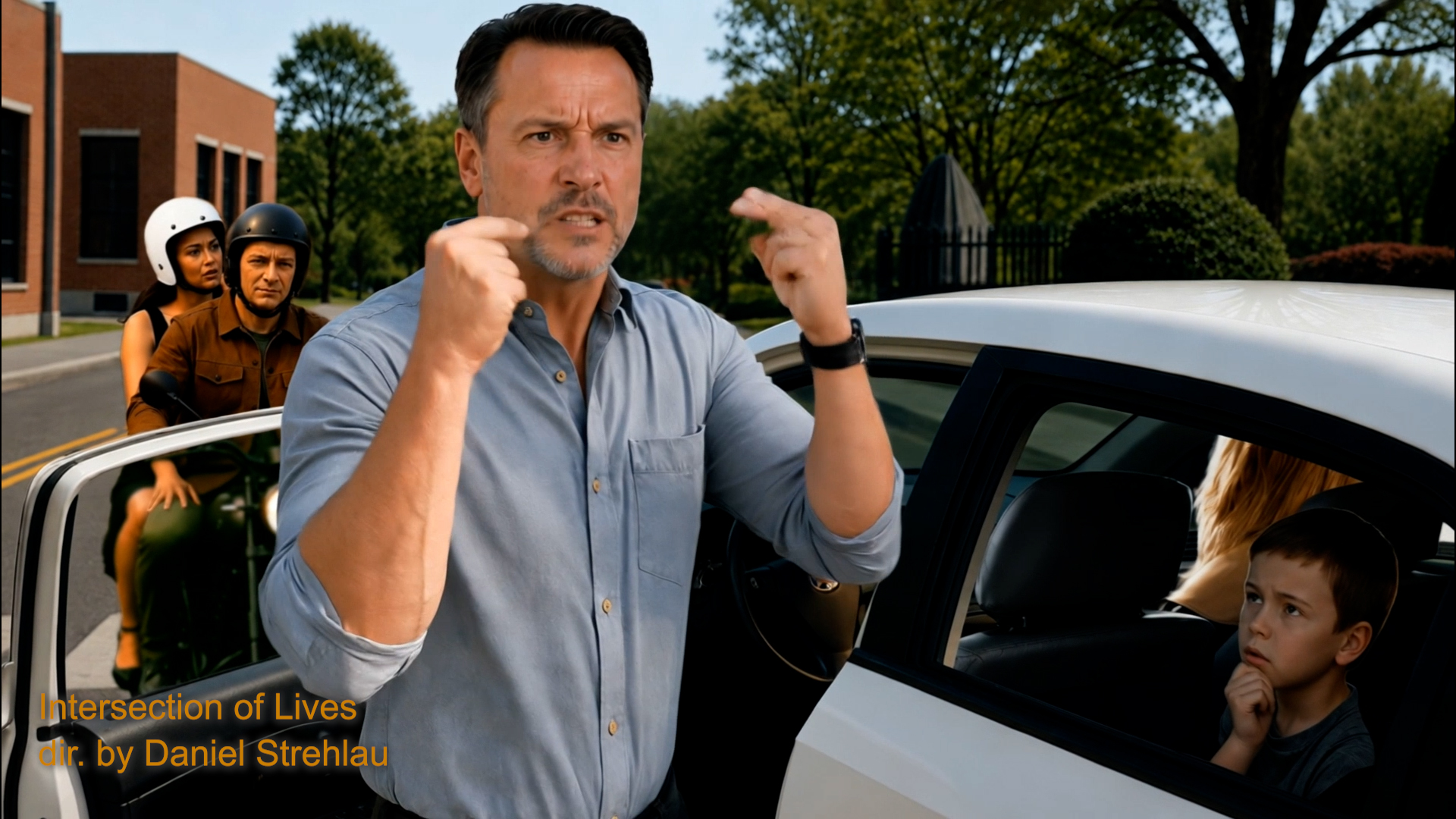

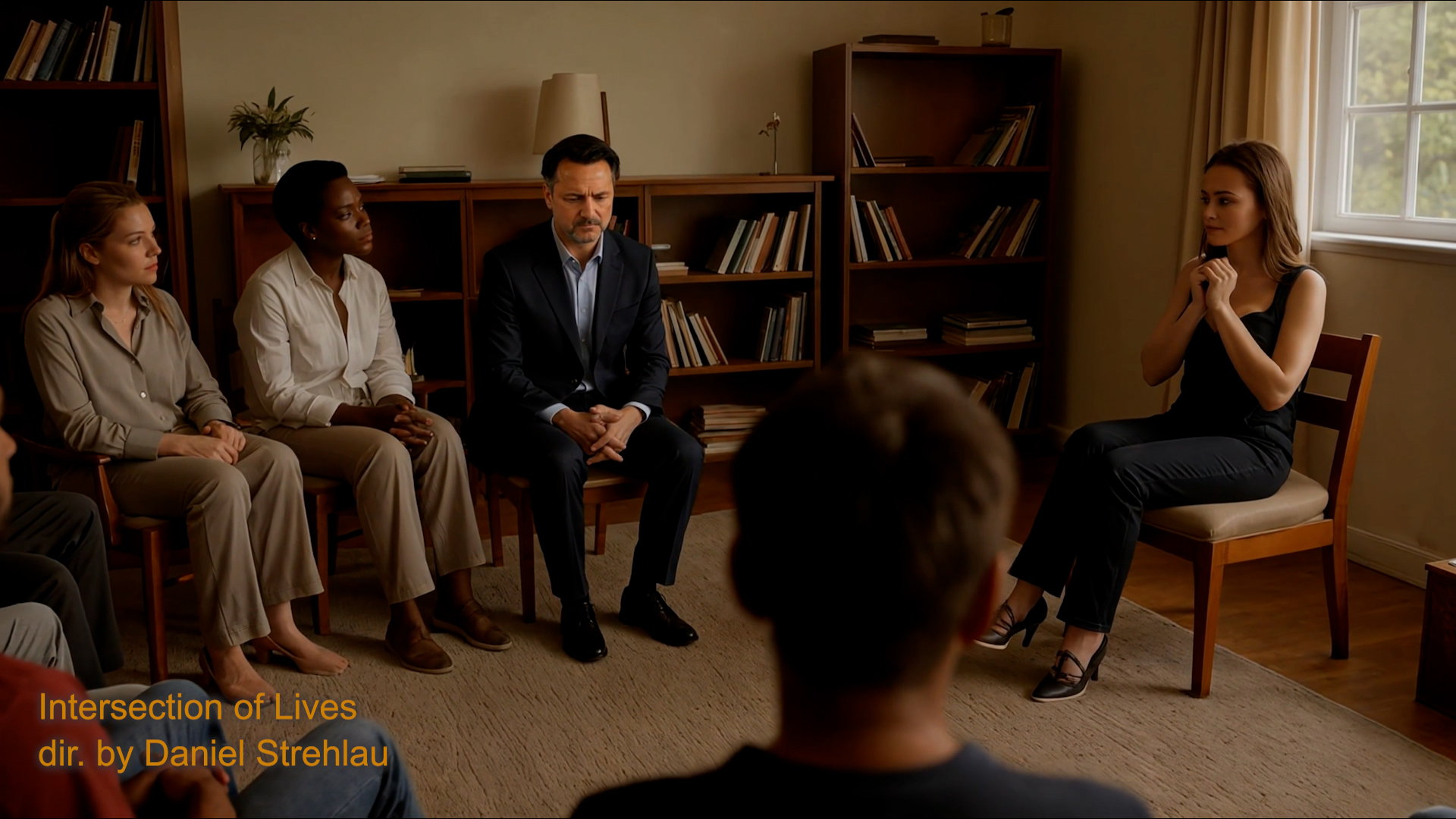


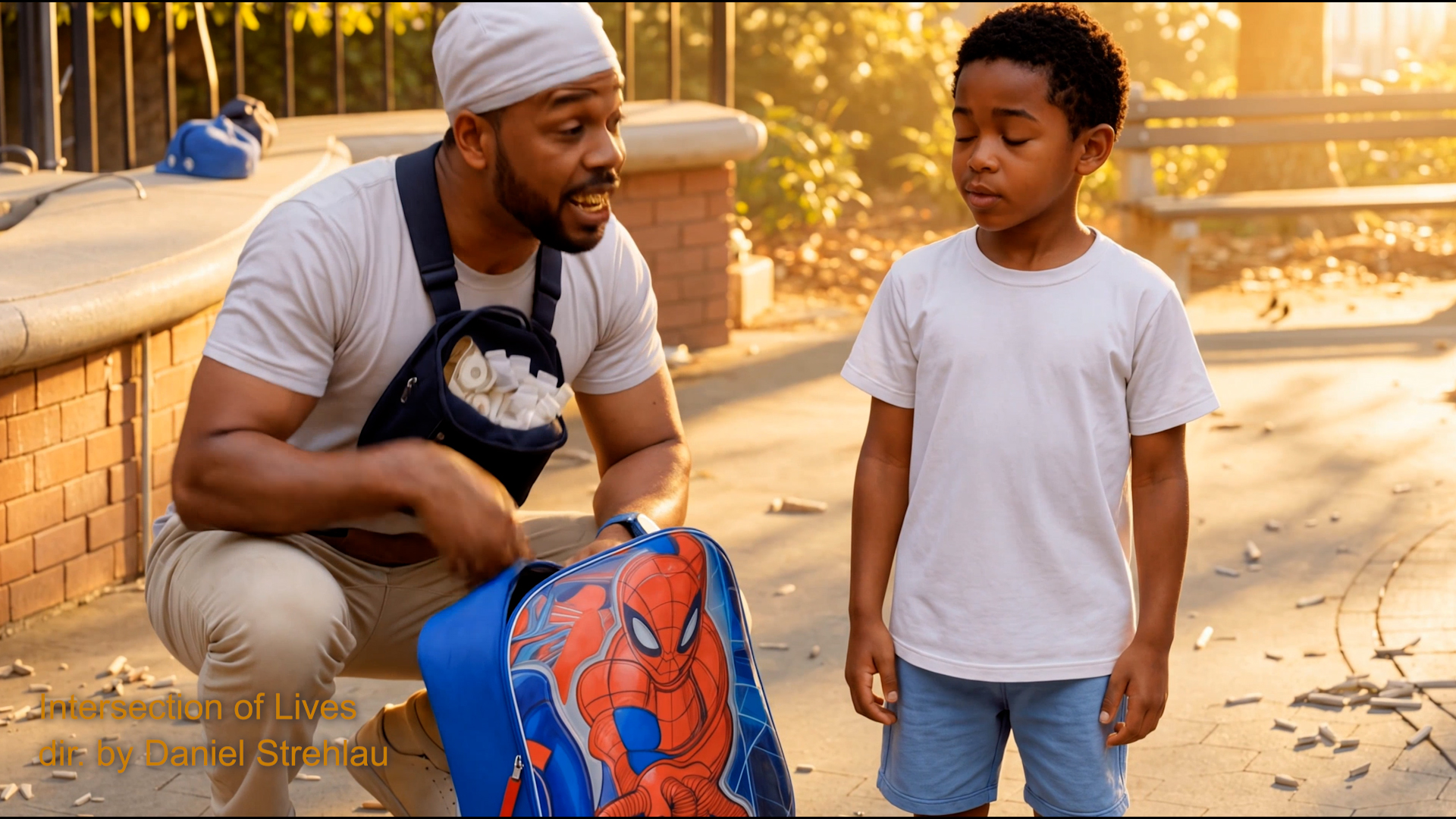
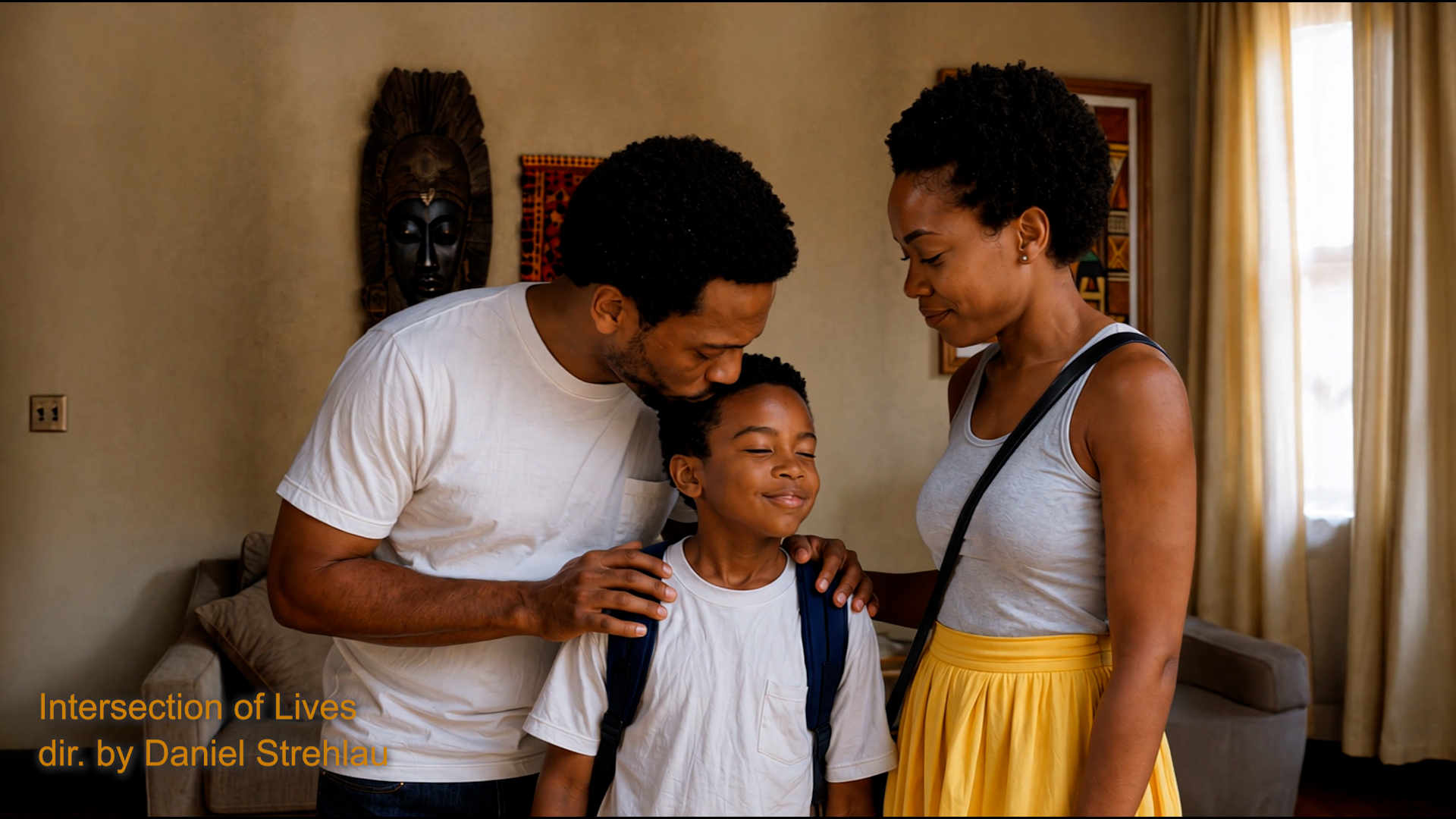
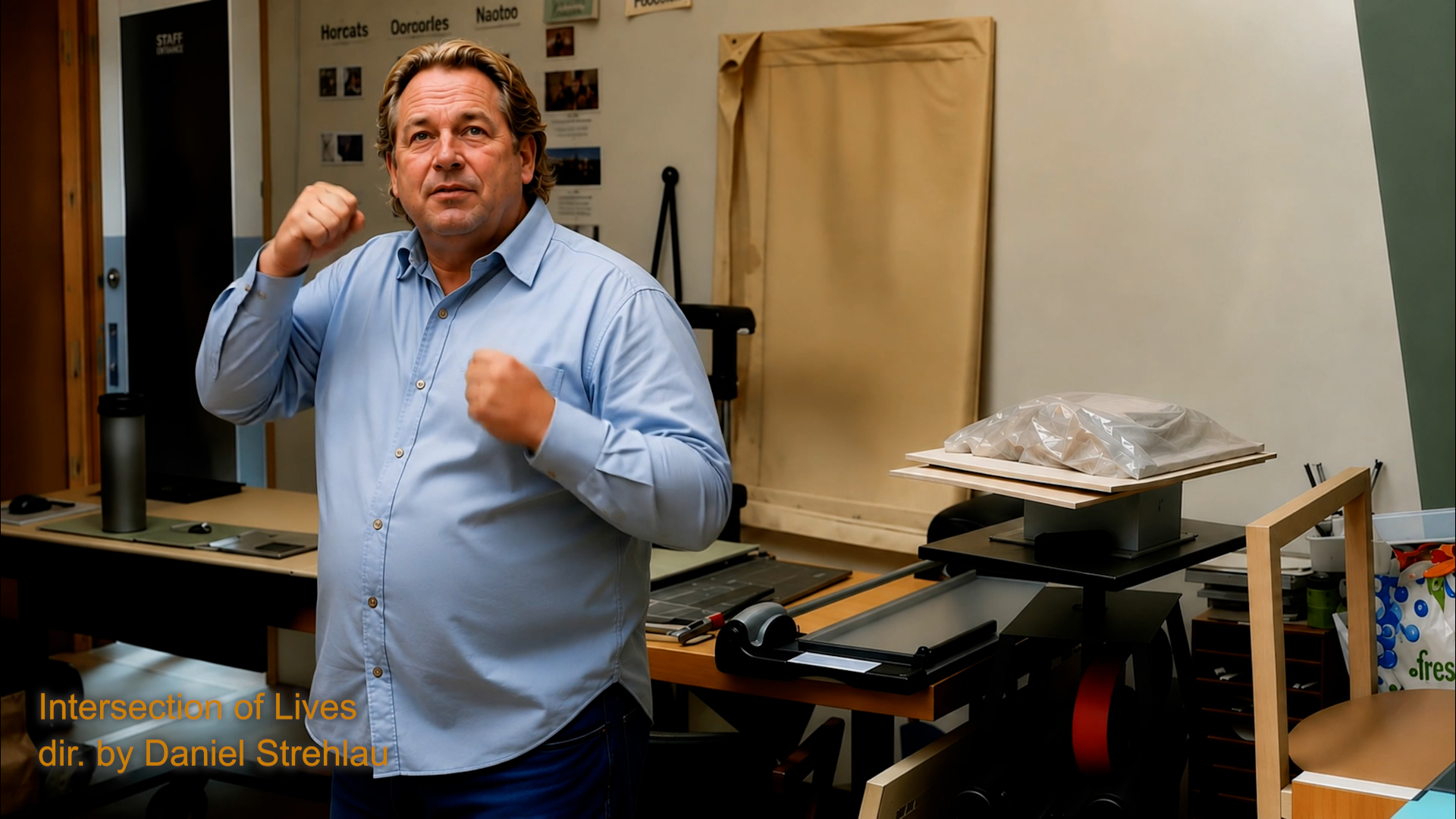
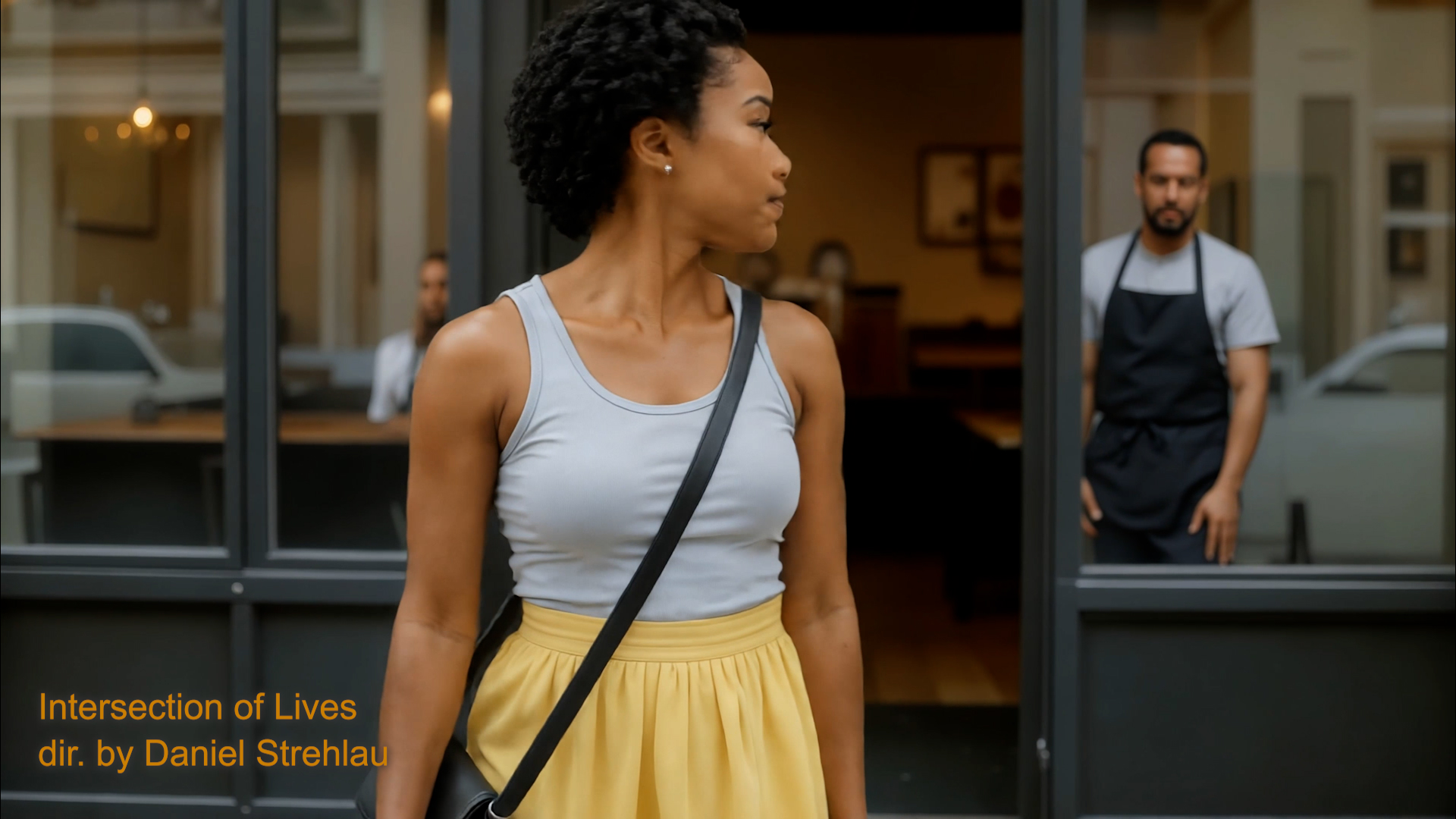
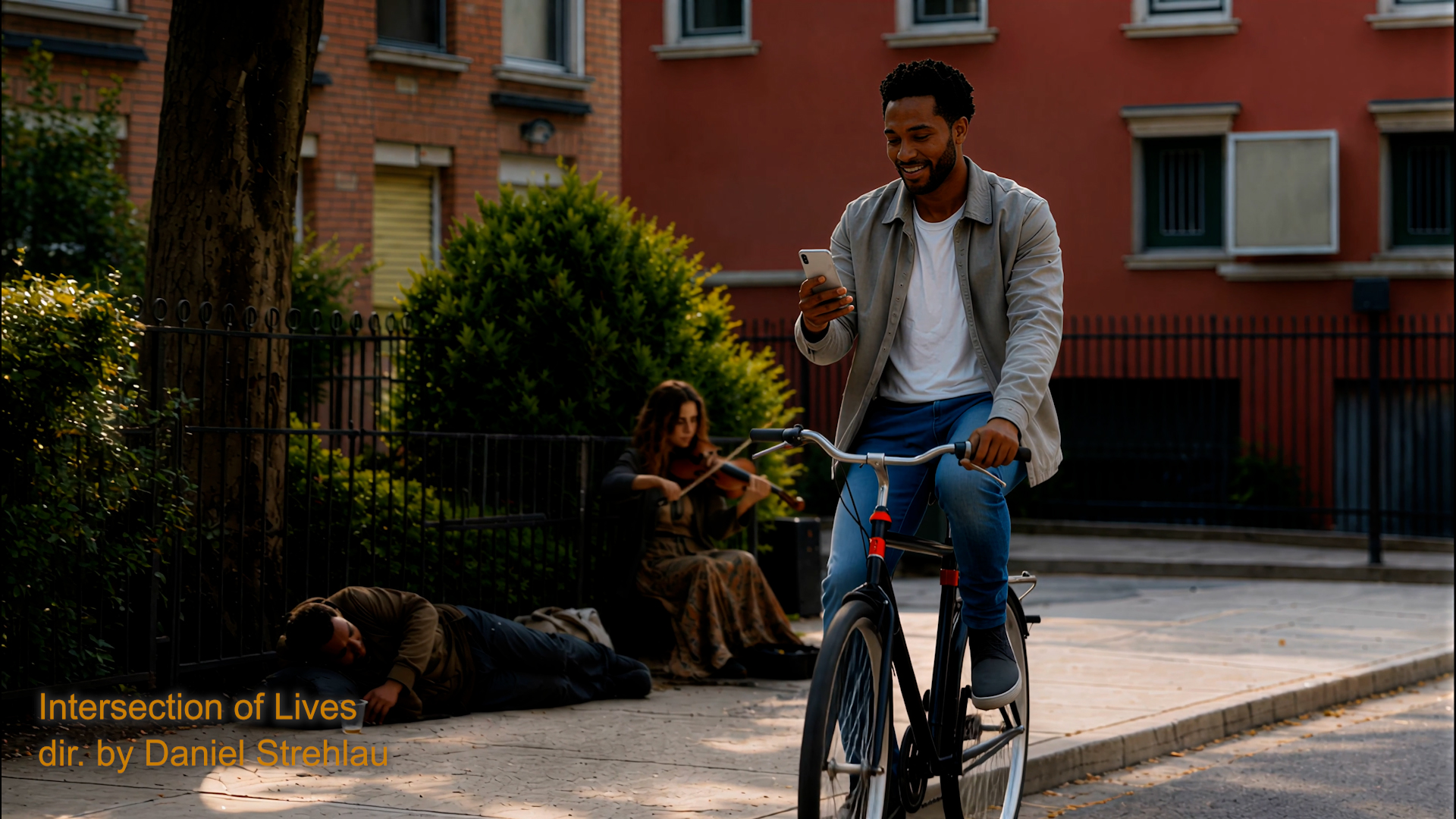
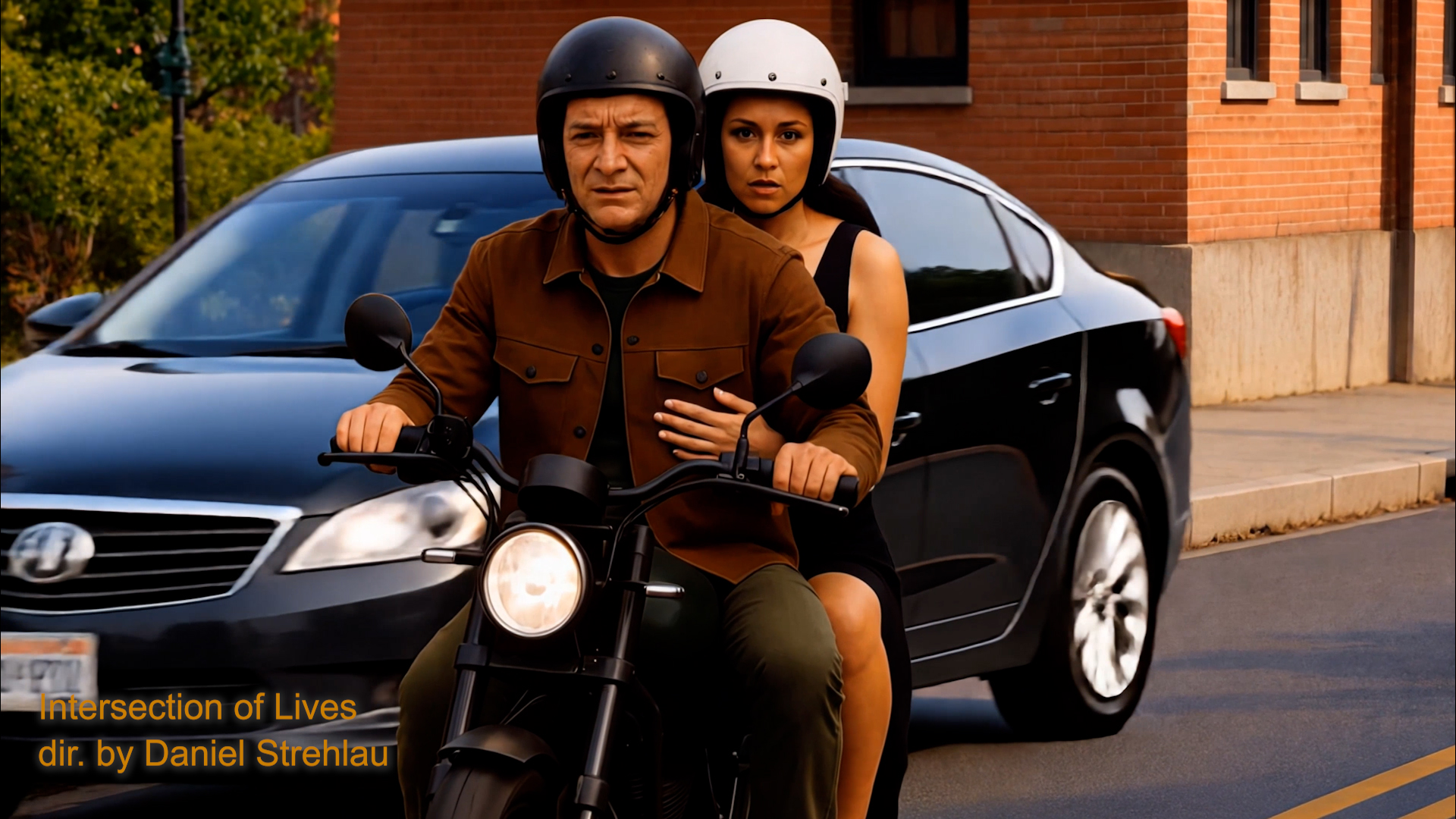
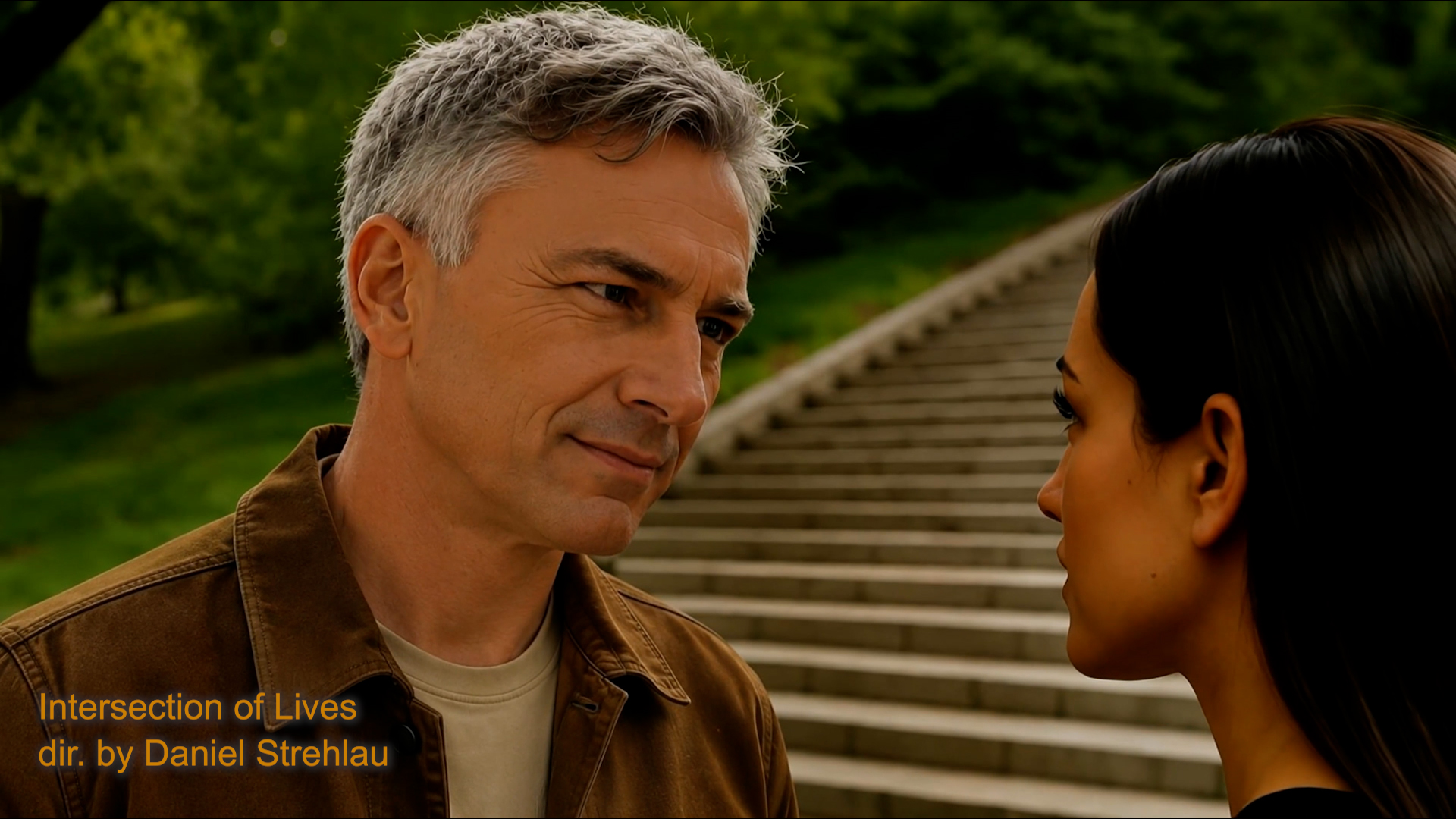
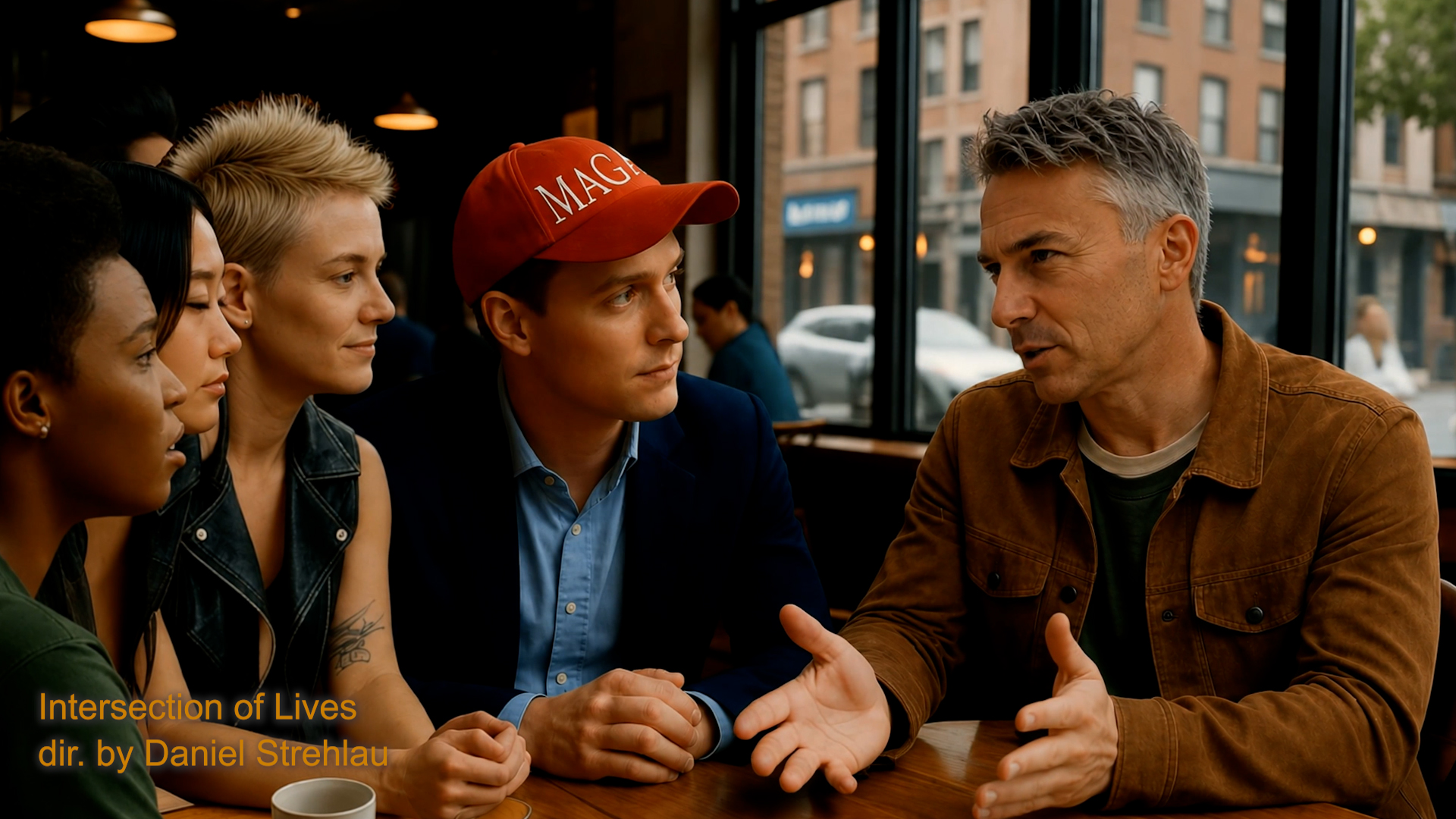
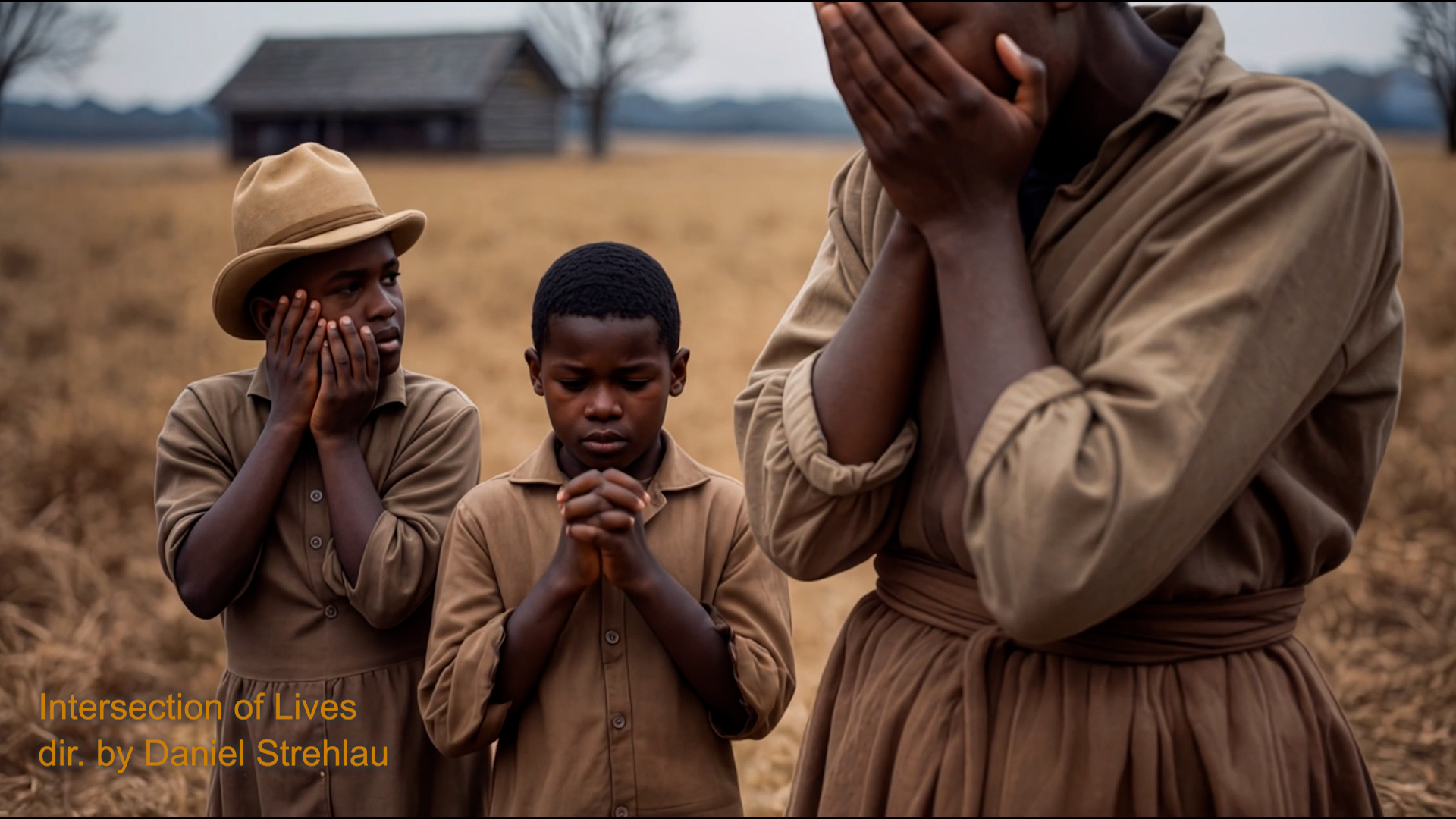
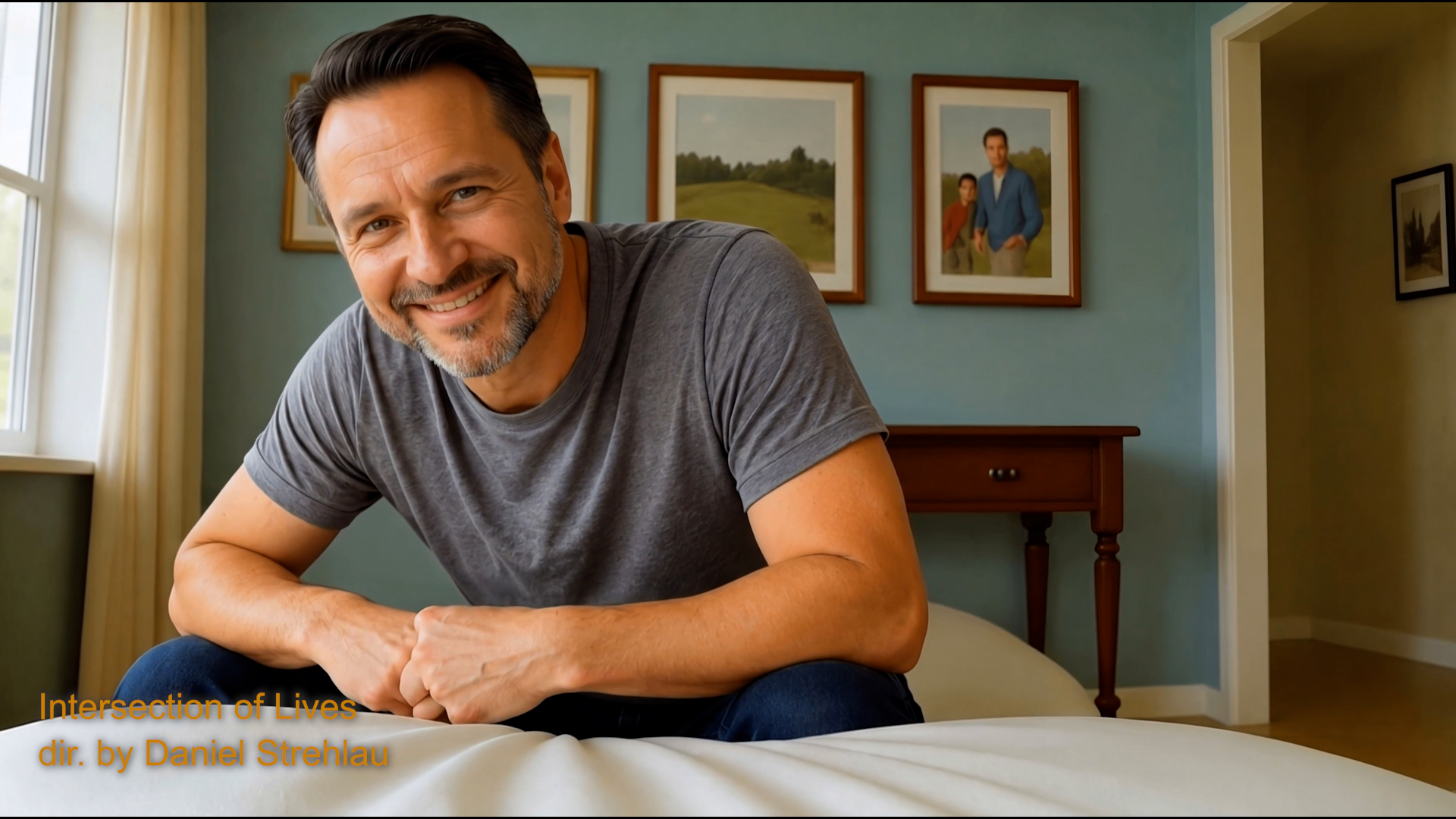
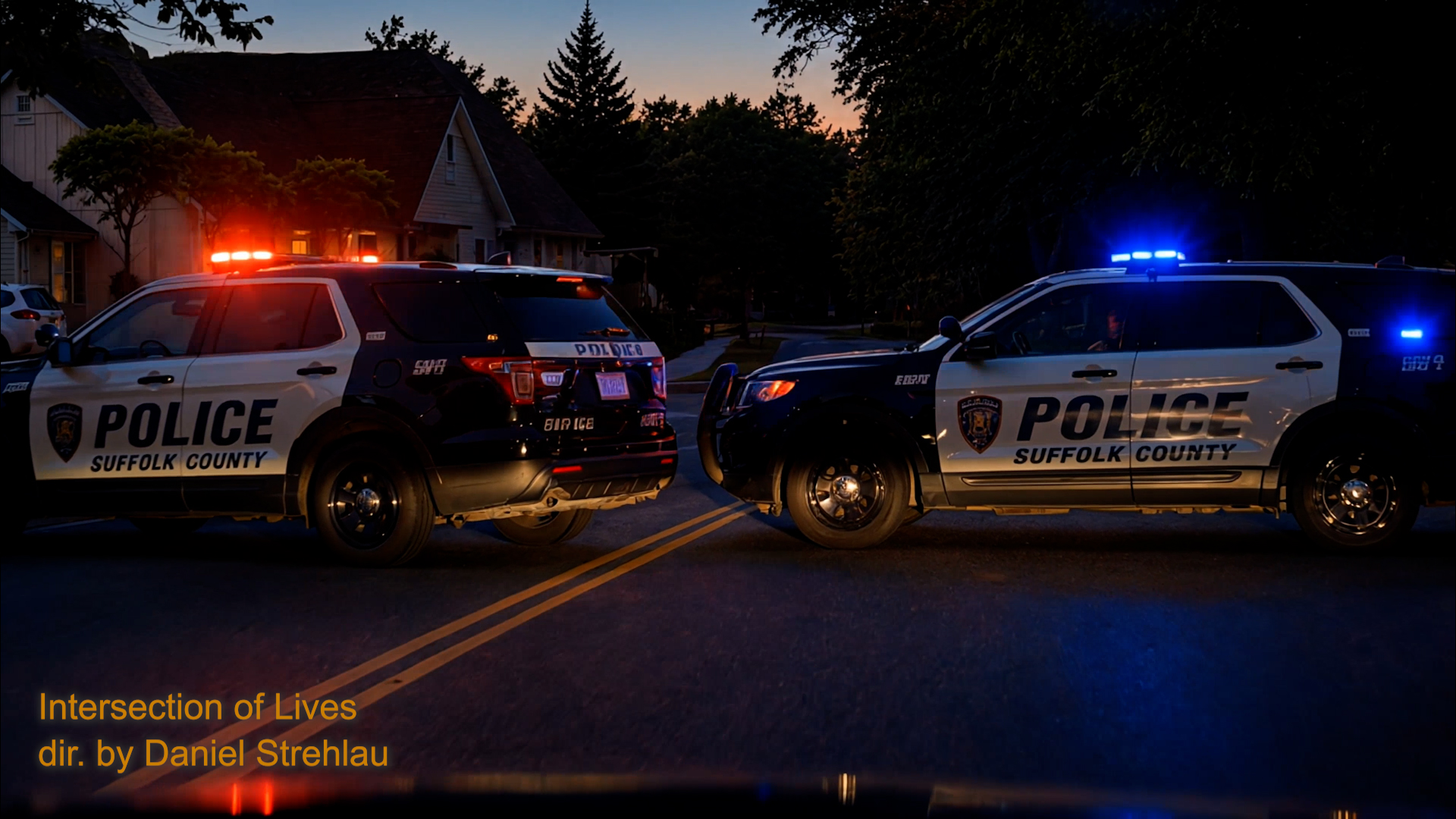
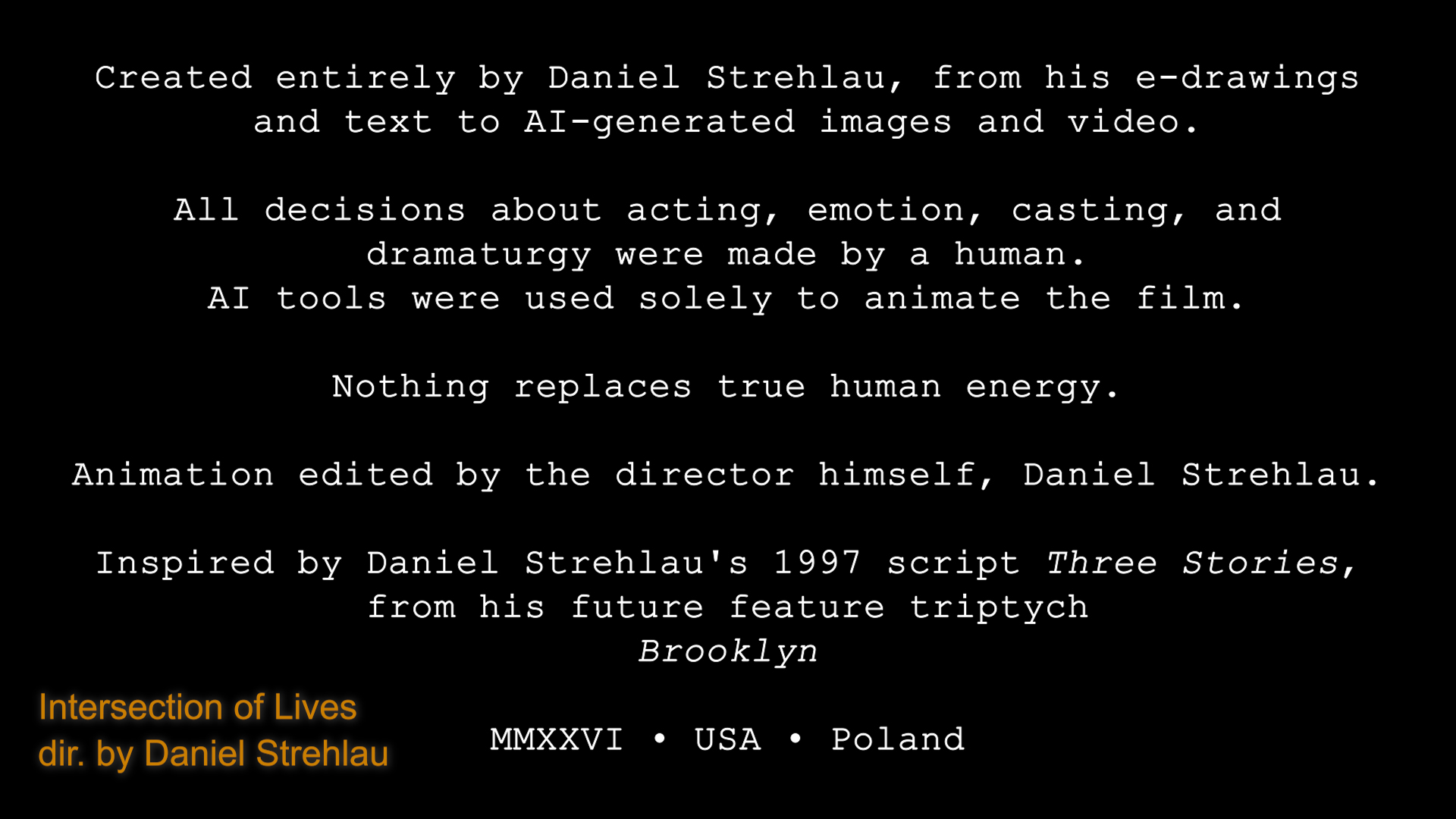
Photo Gallery from the short: “Intersection of Lives”:


